Who Needs Luck with All This Charm Graphics and Crafts
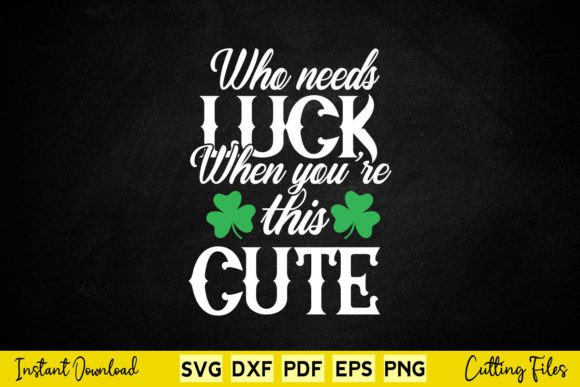
When I receive a brief for a seasonal client project, my first instinct is to look for assets that balance humor with aesthetic cohesion. Too often, holiday-themed designs feel cheap or cluttered, which can undermine the brand trust we are trying to build. Recently, I evaluated Who Needs Luck With All This Charm St. Patrick s Day Svg T shirt Design for a potential small business branding package. My goal was to determine if this digital product could serve as a viable component in a broader creative design strategy for a handmade business or an online product launch.
The asset immediately caught my attention not just for its pun, but for its structural integrity. In the world of graphic design asset creation, simplicity is often the hardest thing to achieve. This SVG design strikes a balance between playful personality and clean execution. It feels less like a generic clipart image and more like a deliberate illustration intended for sublimation design or high-quality print-on-demand applications. For designers working on packaging design or t-shirt design, finding elements that elevate the visual mood without overwhelming the layout is crucial.
First Impressions and Visual Mood
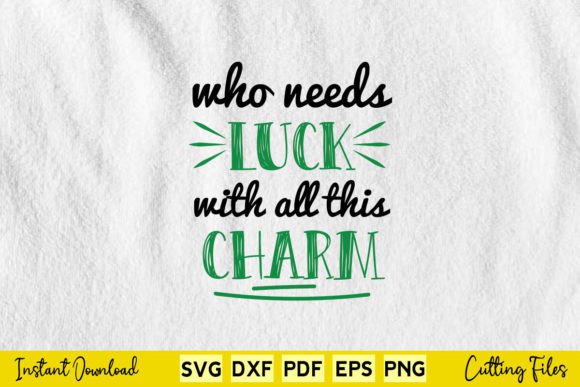
Upon opening the file, the typography and accompanying graphics present a cohesive style that leans toward modern design principles. The phrase "Who Needs Luck with All This Charm" suggests confidence, wit, and approachability. This is particularly effective for brands targeting a younger demographic or those looking to humanize their marketing visuals. The visual hierarchy is established through the weight of the text and the supporting graphical elements, likely featuring classic St. Patrick’s Day motifs reimagined with a contemporary twist.
This kind of editorial design approach works well because it tells a story before the customer even reads the fine print. For a boutique product line or a local event promotion, this asset helps set a tone that is festive yet sophisticated. It avoids the cliché of overly ornate baroque styles, opting instead for something that fits seamlessly into social media graphics or Pinterest pins where clarity and immediate impact are required.
Practical Application in Client Projects
In a real-world scenario, I often advise clients against using single, isolated images without context. However, Who Needs Luck With All This Charm offers versatility across multiple mediums. Here is how it performed during my mockup testing:
- Merchandise and Apparel: As an SVG design, it scales beautifully on vector software. When placed on a hoodie design or a sweatshirt mockup, the edges remain crisp. It works exceptionally well for Cricut projects where precision cutting is necessary. The negative space appears sufficient to prevent ink bleed on fabric.
- Packaging Design: For small business branding, consistency is key. I tested placing this graphic on kraft paper labels for gift boxes. The contrast held up well against natural textures, making it ideal for printable wall art or decorative accents on retail packaging.
- Digital Marketing: When converted to a PNG design for web use, the transparency allows it to overlay cleanly on website headers or Instagram posts. It serves as a strong hero graphic for email newsletters promoting a spring sale or a themed collection.
The asset also translates effectively to sticker design. Whether used for laptop decals or water bottle stickers, the composition remains legible even when scaled down slightly, provided it is not crowded by other elements.
Where This Asset Shines
This design element is most effective when given breathing room. It excels in large layout areas where it can act as the primary focal point. For example, in a flyer or a poster, allowing the charm-themed typography to dominate ensures the message is received instantly. It is also perfect for thematic collections, such as a limited-edition run of mugs, pillows, or tote bags. In these contexts, the asset acts as a unifying visual thread that ties the product line together.
Furthermore, it supports brand identity efforts for businesses that want to appear friendly and relatable. By incorporating this into their visual language, a company can signal that they do not take themselves too seriously while still delivering quality products. This emotional appeal can significantly boost audience engagement on social platforms.
Areas Requiring Caution
Despite its strengths, no design asset is universal. There are specific scenarios where Who Needs Luck With All This Charm may struggle:
- Small Sizes: If you attempt to use this in a favicon or a tiny icon, details may get lost. Always preview at 100% zoom to ensure readability.
- Crowded Layouts: Avoid placing this over complex backgrounds or busy patterns. It competes for attention and may cause visual noise, disrupting the overall impression of professionalism.
- Minimalist Branding: If your client’s brand identity relies on extreme minimalism, this asset might feel too decorative. It has character and flair, which may clash with ultra-clean, corporate aesthetics.
- Low-Contrast Environments: Testing in black and white is essential. If the colors are too similar on certain backgrounds, the text will become illegible, hurting recognition and user experience.
Technical Considerations for Designers
Before integrating this into any commercial design project, there are several technical checks every designer should perform. First, inspect the file format. If it is an SVG, verify that the paths are simplified and editable. Complex node structures can slow down rendering in some software. If a PNG version is included, check the resolution and transparency edges for jagged artifacts.
I also recommend comparing this asset with other font styles to ensure compatibility. Does it pair well with a serif font for body text? Or does it need a sans serif font for a more modern contrast? Handwritten fonts might create too much competition for attention, whereas a display font style could complement it if chosen carefully.
Another critical step is confirming the commercial license. Even though it is marketed as a digital product for items like t-shirts and hoodies, the terms of service vary. Ensure you have the right to sell physical goods created with this design. Additionally, test print quality on actual materials. A design that looks good on screen may behave differently on polyester versus cotton, or on glossy versus matte sticker paper.
Final Verdict
For crafters, Etsy sellers, and content creators, Who Needs Luck With All This Charm is a valuable addition to their design assets library. It offers a polished, professional look that elevates standard holiday merchandise. It helps bridge the gap between fun, seasonal cheer and high-quality production values.
Whether you are creating a Canva template for a client’s social media campaign or designing a full suite of print-on-demand products, this asset provides a reliable foundation. It enhances the visual mood, supports brand consistency, and engages the audience through clever copy and clean graphics. Just remember to respect its limitations regarding size and context. Used wisely, it transforms a simple concept into a memorable creative design that resonates with customers.