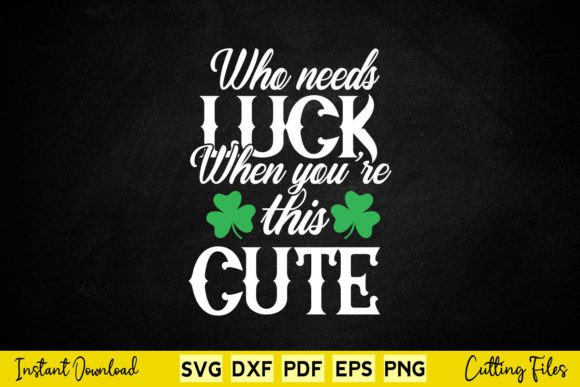
Who Needs Luck when You Re This Cute Graphics and Crafts Review
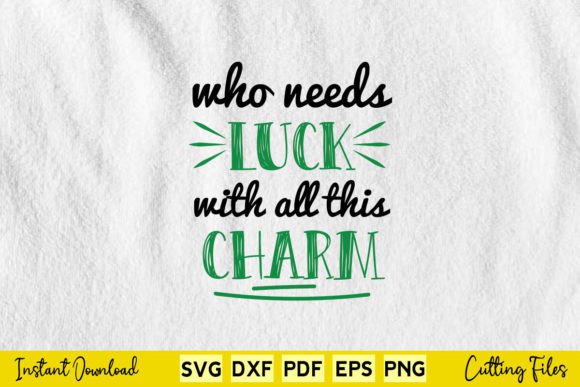
In the fast-paced world of content marketing and brand design, the difference between a scroll-past and a conversion often comes down to visual resonance. As a brand designer who has spent years helping small businesses and creative entrepreneurs build cohesive visual identities, I look for assets that do more than just fill space—they need to communicate mood, personality, and value instantly. Recently, I evaluated a specific graphic design asset titled Who Needs Luck When You re This Cute Svg T shirt Design. While the product description suggests it is intended for print-on-demand items like t-shirts, mugs, pillows, sweaters, stickers, and hoodies, its utility extends far beyond physical merchandise. This review explores how this digital product fits into broader marketing workflows, from social media graphics to packaging design, and whether it supports the professional branding goals of modern creators.
First Impressions: Mood and Emotional Tone
The moment you engage with the Who Needs Luck when You Re This Cute design, the emotional tone is immediately apparent. It exudes a playful, confident, and slightly cheeky energy. In brand communication, humor and relatability are powerful tools for building audience trust. This asset does not feel heavy or corporate; instead, it leans into casual branding and lifestyle content. The phrase itself serves as a hook, suggesting self-assurance without arrogance, which is a nuanced but effective balance for consumer-facing brands.
For marketers, this translates to immediate engagement. When used in editorial design or social media posts, the design creates a positive first impression by inviting the viewer to smile. It works particularly well for audiences who appreciate authenticity and wit. Whether you are designing for a handmade product shop, a lifestyle blog, or an online coach’s community, this illustration brings a human touch that stock imagery often lacks. It signals that the brand is approachable, fun, and aware of current cultural trends, making it suitable for event promotions, seasonal offers, and everyday content marketing efforts.
Integrating the Asset into Real Marketing Campaigns
Let’s frame this within a real-world scenario. Imagine you are launching a new line of cozy winter apparel or promoting a Valentine’s Day gift guide. You need visuals that stand out on crowded platforms like Instagram and Pinterest. The Who Needs Luck When You re This Cute Svg T shirt Design can serve as a central element in these campaigns. Because it is available as a digital product, likely in SVG and PNG formats, it offers versatility that static images cannot match.
Here is how this asset performs across various marketing channels:
- Social Media Graphics: Use the design as the focal point of Instagram posts or Facebook ads. Its bold text and cute aesthetic are optimized for capturing attention in a feed where users scroll quickly. Pair it with vibrant backgrounds to enhance visibility.
- Pinterest Pins: Pinterest is a visual search engine. A pin featuring this design, perhaps overlaid with text like “Gift Ideas for Her,” can drive significant traffic. The cute factor encourages saves and shares, boosting organic reach.
- Email Banners: For newsletter headers, this design adds personality to your email marketing. It breaks up the monotony of standard text-based emails and reinforces brand identity through consistent use of playful elements.
- Packaging Design: If you sell physical goods, this design can be printed on stickers, thank-you cards, or tissue paper. These small touches create memorable unboxing experiences, encouraging customers to share their purchases on social media.
- Web Design Elements: Incorporate the asset into website headers or sidebar widgets to add character to your digital storefront. It helps establish a unique voice that distinguishes your site from competitors.
By integrating this graphic design asset into multiple touchpoints, you create a unified brand experience. Consistency is key to professional branding, and using the same core visual motif across different mediums reinforces recognition and strengthens the overall narrative of your business.
Strategic Benefits for Content Creators
Why should you choose this specific design over others? From a strategic perspective, it offers several advantages that support your marketing goals.
First, it enhances visual hierarchy. The clear typography and distinct shape make it easy for the eye to focus on the message. This clarity ensures that your main takeaway is never lost in clutter. Second, it fosters emotional connection. Humor and cuteness trigger positive feelings, which can subconsciously associate those emotions with your brand. Third, it improves product presentation. Whether used on a digital ad or a physical label, the design elevates the perceived value of the item it accompanies.
Furthermore, this asset supports small business branding by providing a ready-made element of style that might otherwise require custom illustration. For solo entrepreneurs or small teams, saving time on design while maintaining high quality is crucial. The ability to download and immediately apply this design to various projects—from Canva templates to printable promotions—streamlines your workflow significantly.
Ideal Use Cases and Applications
This design excels in contexts where personality shines. It is perfect for hero graphics on landing pages, campaign headers for limited-time offers, and branded templates for weekly content series. It also works beautifully as a decorative brand element in editorial layouts, adding a splash of whimsy to otherwise structured designs. For digital sellers, it can be part of a larger design bundle, offering added value to customers looking for versatile clipart or illustration resources.
Critical Considerations and Limitations
While the asset is charming, no single design fits every brand context. There are situations where Who Needs Luck when You Re This Cute may not be appropriate. For formal corporate branding, such as law firms or financial institutions, the playful tone might undermine professionalism. Similarly, in dense information layouts or text-heavy ads, the design could compete with the main message rather than supporting it.
Be cautious when using this asset on low-contrast backgrounds or in very small sizes. Readability is paramount in mobile graphics, so always test how the design scales down. Additionally, overly minimal brands that rely on stark simplicity might find the detail in this illustration too busy. Always ensure that the asset aligns with your existing color palette and font choices to maintain visual harmony.
Practical Brand Designer Notes
Before incorporating this asset into your commercial design projects, follow these practical steps to ensure optimal results:
- Test with Your Color Palette: Experiment with different background colors to see how the design interacts with your brand’s primary and secondary colors. Ensure sufficient contrast for accessibility.
- Check Black and White Usage: Convert the design to grayscale to verify that it remains legible and impactful without color. This is useful for faxed documents or monochrome printing.
- Preview on Mobile Screens: Most users will view your content on smartphones. Check how the design looks on smaller screens to ensure it doesn’t become pixelated or unreadable.
- Pair with Complementary Fonts: Test the design alongside serif fonts for a classic look, sans serif fonts for modernity, script or handwritten fonts for elegance, and display fonts for emphasis. Find the combination that best reflects your brand voice.
- Review Spacing and Balance: Pay attention to the negative space around the design. Proper spacing prevents clutter and allows the asset to breathe, enhancing its visual impact.
- Confirm Commercial Licensing: Always review the terms of use. Ensure you have the right to use the design in paid campaigns, client work, or business branding before deploying it widely.
In conclusion, Who Needs Luck when You Re This Cute is a versatile and engaging graphic design asset that can significantly enhance your marketing visuals. By understanding its strengths, limitations, and ideal applications, you can leverage it to create memorable, professional, and emotionally resonant campaigns that connect with your audience effectively.