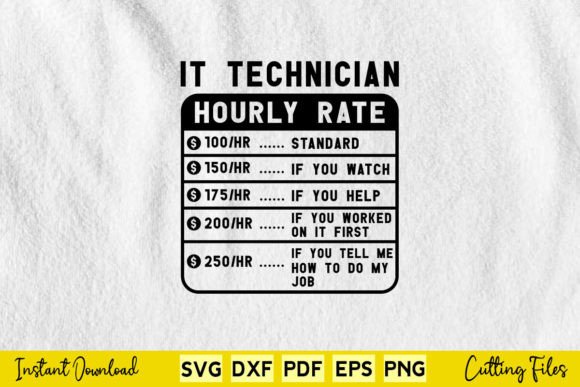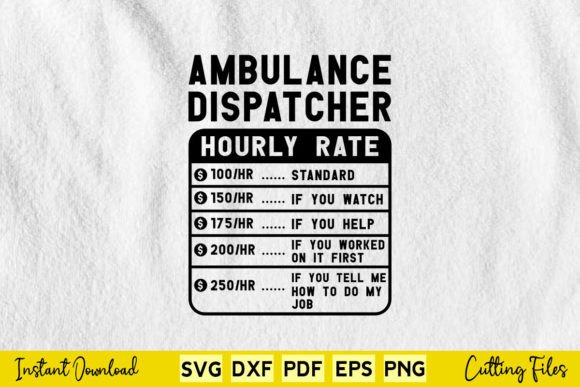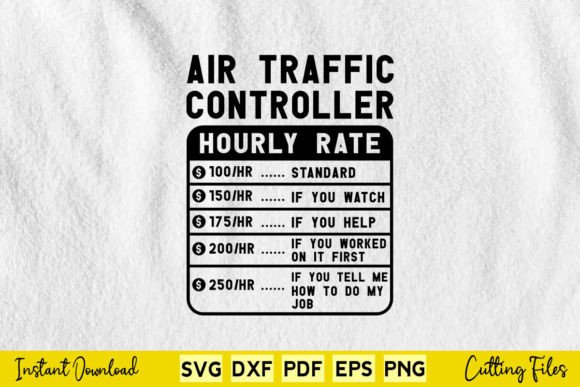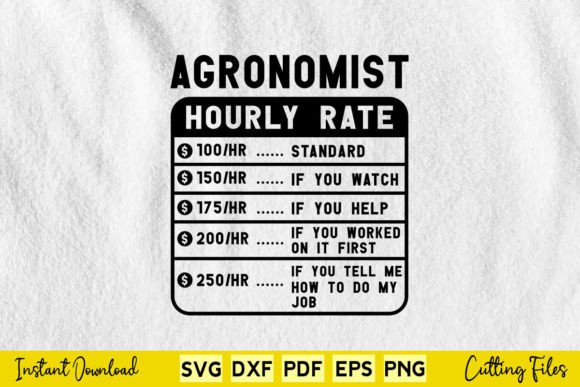
Reviewing Funny Library Technician Hourly Rate
As a designer who spends more time than I care to admit staring at stitch density charts and testing thread tension, I approach every new digital asset with a mix of skepticism and hope. We have all been there: you find a clever graphic online, imagine it embroidered on a high-quality hoodie for your shop, only to realize later that the text is too small or the shapes are too complex for a standard 4x4 hoop. Today, I am putting Funny Library Technician Hourly Rate through its paces. This isn't just about whether the file opens correctly; it is about whether this design holds up under the needle, looks professional on a finished product, and resonates with the specific audience of library professionals.
The First Impression: Mood and Layout
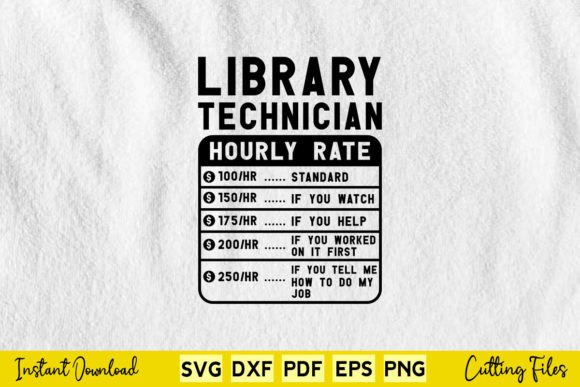
When I first loaded the Funny Library Technician Hourly Rate design into my digitizing software, the immediate takeaway was its clear, humorous intent. The concept relies on wordplay and relatable workplace humor, which is a staple in the custom apparel market. Visually, the layout feels balanced. It does not scream for attention with chaotic elements but rather presents a clean, readable message that works well as a chest print or a centered back design.
From a branding perspective, this design fits naturally into the world of handmade products and personalized gifts. It appeals directly to librarians, archivists, and information specialists who appreciate wit. For an Etsy seller or a small business owner, this is a niche-specific item that can drive targeted traffic. The visual personality is casual yet professional enough for a work environment, making it suitable for sweatshirt embroidery, tote bag designs, or even kitchen towels for the breakroom. It creates a mood of camaraderie and shared experience, which is exactly what buyers look for when purchasing gifts for colleagues.
Real-World Application: From Screen to Stitch
I recently tested this concept on a few different substrates to see how Funny Library Technician Hourly Rate translates from a vector file to a tangible good. The primary use case here is clearly custom apparel. Whether it is a soft-touch t-shirt for a staff meeting or a heavy cotton blend sweatshirt for winter library days, the design needs to be legible from a distance.
In my test run, the design performed exceptionally well as an embroidered patch or a direct-to-garment application on light-colored fabrics. The contrast between the thread colors and the fabric background was crucial. When I placed it on a white cotton tee, the humor landed immediately. However, I also considered its potential as a baby embroidery project—perhaps on a onesie for a librarian’s child. In that scenario, the design would need to be scaled down carefully. While the original file might be intended for adult wear, the adaptability of this graphic makes it versatile for various craft business items.
Furthermore, this design has strong potential for non-apparel merchandise. Imagine it stitched onto a durable canvas tote bag design for book hauls, or perhaps on a tea towel for a librarian’s home office. The versatility extends to holiday embroidery projects as well; it makes a fantastic Secret Santa gift or a token of appreciation for end-of-year bonuses. The key here is recognizing that while it is sold as a digital product, its value multiplies when applied to physical goods like stickers, hoodies, or mugs via sublimation or vinyl before being combined with other decorative elements.
Where Caution Is Required
No design is perfect for every situation, and Funny Library Technician Hourly Rate is no exception. There are specific scenarios where this file requires careful handling to avoid a disappointing finished product.
- Small Hoop Sizes: If you are working with a compact 4x4 inch hoop, you must ensure the text remains large enough to read. Tiny lettering often gets lost in the stitching process, especially if the machine drifts slightly. Always inspect small details before committing to a full production run.
- Textured and Stretchy Fabrics: Embroidering on thick fleece, textured knits, or stretchy jersey can cause distortion. The stabilizer choice becomes critical here. Without proper backing, the fabric may pucker around the satin stitch areas, warping the text and ruining the professional look.
- Dense Stitch Areas: If the design includes heavy fill stitches, it can become stiff and uncomfortable against the skin. For items like baby clothes or delicate scarves, excessive density is a negative factor. Check the stitch density settings in your software to lighten the load if necessary.
- Curved Surfaces: Applying this to caps or hats requires a curved surface hoop. Flat designs can look awkward if not digitized specifically for curvature. Ensure your machine setup accounts for the three-dimensional nature of the final product.
Design Notes for the Professional Maker
To get the most out of this embroidery file, I recommend a few practical steps before you start selling or gifting. First, always test the design on scrap fabric that matches the weight and texture of your final product. This allows you to judge thread color contrast accurately. A color combination that looks vibrant on screen might appear muddy on dark fabric.
Another vital step is to review the design in black and white mockups. This helps you assess the balance of positive and negative space without the distraction of color. If the shape reads clearly in grayscale, it will likely embroider successfully. Additionally, consider using a cutwork applique design technique if the base layer is complex; this can add depth and reduce thread usage while maintaining visual appeal.
For those running a craft business, confirm licensing terms before selling finished items. While many digital files allow commercial use, some restrict the number of units or require attribution. Understanding these boundaries protects your brand consistency and legal standing. Also, think about how this fits into your broader catalog. Does it complement existing library-themed assets? Can it be paired with related graphics to create a collection for boutique branding?
Final Verdict on Visual Appeal and Value
Ultimately, Funny Library Technician Hourly Rate succeeds because it taps into a specific emotional trigger: humor derived from professional identity. For the right customer, this is not just a shirt; it is a statement piece. It enhances the perceived value of a handmade product by adding personality and specificity.
When executed correctly, with proper stabilizer support and appropriate thread choices, this design elevates a simple garment into a memorable gift. It builds customer trust by showing attention to detail and relevance. For the digital embroidery file seller, it offers a low-risk, high-reward asset that can be easily marketed across multiple platforms, from social media printable mockups to physical craft fair booths.
If you are looking to expand your inventory with designs that resonate deeply with a dedicated community, this file is a strong candidate. Just remember to respect the technical limitations of your equipment and materials. Test thoroughly, choose your fabrics wisely, and let the humor do the talking. Whether you are an experienced embroiderer or a hobbyist maker, Funny Library Technician Hourly Rate provides a solid foundation for creating engaging, wearable art that people will actually want to wear.