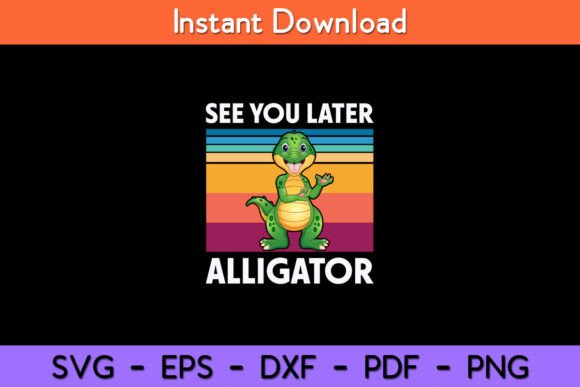
Kids See You Later Alligator Crocodile Graphics and Crafts Review
In the world of digital publishing, visual assets are not merely decorative; they are functional tools that dictate user engagement, brand perception, and content hierarchy. As a blog designer and digital publisher who has spent years optimizing editorial layouts for maximum readability and click-through rates, I approach every new design asset with a critical eye. The question is never just "does it look nice?" but rather, "does this asset support our content strategy and enhance the user experience?" Recently, I evaluated a specific design file titled Kids See You Later Alligator Crocodile, marketed as a funny SVG design for cutting machines. While its primary categorization often leans toward physical crafts like Cricut or Silhouette projects, its utility in the digital realm—specifically for Graphics and Crafts niches—is surprisingly robust when viewed through an editorial lens.
First Impressions and Editorial Mood
The moment you load the Kids See You Later Alligator Crocodile file into your design workspace, the mood is immediately established: playful, energetic, and distinctly child-centric. This is not a minimalist, corporate-friendly asset. It does not whisper; it shouts with the confidence of a nursery rhyme. For a publisher, understanding this tone is crucial. This design naturally supports content niches such as parenting blogs, early childhood education resources, children’s party planning guides, and family-oriented lifestyle brands. It feels modern yet nostalgic, leveraging a classic phrase to create instant recognition.
From a visual communication standpoint, the asset creates a strong first impression. It signals to the reader that the content following it will be lighthearted, accessible, and fun. If you are running a serious financial advice blog, this asset would likely erode trust. However, if you are creating a downloadable activity sheet for toddlers or a Pinterest guide on "Fun Birthday Party Themes," this graphic acts as a powerful hook. It aligns perfectly with the expectations of parents and educators looking for engaging, age-appropriate material.
Integrating the Asset into Real Publishing Workflows
One of the most common mistakes publishers make is treating design assets as static images. In reality, high-quality design assets should be modular components of a larger content marketing strategy. Here is how I integrated this SVG into a real-world publishing workflow:
- Pinterest Pins: The bold nature of the alligator/crocodile theme makes it ideal for vertical graphics. When paired with a clear headline like "5 Easy Dinosaur-Themed Party Ideas," this asset increases visibility in search results. The visual hierarchy is clear, allowing the text to stand out against the graphic elements.
- Blog Featured Images: Using this as a header image sets the tone before the user even reads the title. It provides immediate context, reducing bounce rates from users who are specifically looking for kid-focused content.
- Digital Guides and Lead Magnets: This design can serve as the cover art for a PDF checklist, such as "The Ultimate Kids' Activity Planner." By converting the SVG to a high-resolution PNG, it becomes a professional-looking digital product that adds perceived value to your email list signup.
- Newsletter Graphics: Email open rates are heavily influenced by subject line visuals and banner headers. A playful alligator graphic in the top banner of a weekly newsletter can break up text-heavy layouts and provide a visual rest for the reader.
- Social Media Previews: For Instagram or Facebook posts, this asset works well as a background element behind quote cards or announcement text. It adds personality to your brand identity without overwhelming the message.
Supporting Content Performance and Trust
Consistent branding is the backbone of reader trust. When your website features a cohesive visual system, readers subconsciously perceive the content as more authoritative and polished. By incorporating Kids See You Later Alligator Crocodile into your library of creative design assets, you create a recognizable style for your family or educational content categories. This consistency improves category recognition; users will learn to associate that specific playful aesthetic with high-quality, fun content from your site.
Furthermore, good editorial design relies on visual hierarchy. This asset, being inherently graphical, allows you to use negative space effectively. When placed correctly, it draws the eye to the call-to-action (CTA). For instance, placing the alligator graphic on the left and your affiliate link button on the right creates a natural reading path. This subtle manipulation of layout can lead to better click-through potential and higher conversion rates for any affiliate marketing links embedded within the post.
Strategic Placement and Where to Exercise Caution
While this asset is versatile, it is not universally applicable. Understanding where it works best—and where it fails—is key to maintaining a professional online presence.
Where It Works Best:
- Hero images for posts about kids' parties or crafts.
- Icons or accents in sidebar widgets related to "Free Printables."
- Watermarks for exclusive digital downloads.
- Category thumbnails for tags like "Dinosaurs" or "Animals."
Where to Use Carefully:
- Small Mobile Thumbnails: At very small sizes, the details of the crocodile/alligator may blur or become indistinguishable. Always test the asset at 100x100 pixels to ensure legibility.
- Text-Heavy Blog Images: Avoid overlaying dense paragraphs of text directly onto the graphic. It competes for attention. Instead, use solid color blocks or blurred backgrounds.
- Low-Contrast Backgrounds: If your website uses a light gray background, a similarly colored alligator will disappear. Ensure sufficient contrast between the asset and its environment.
- Serious Professional Niches: Do not use this on pages discussing legal advice, medical health, or financial investing. The playful tone clashes with the need for gravity and seriousness.
Practical Publisher Notes for Implementation
To get the most out of this graphic design asset, follow these technical steps during your publishing process:
- Screen Testing: Preview the design on both desktop monitors and mobile devices. The aspect ratio must remain intact across different viewports.
- Font Pairing: Experiment with typography alongside the graphic. This playful design pairs well with rounded sans-serif fonts or handwritten styles for a friendly vibe. For a more structured look, try pairing it with a clean serif font to create contrast. Avoid overly ornate script fonts that may clash with the cartoonish nature of the animal.
- Contrast and Readability: Check your colors. If the alligator is dark green, place it on a white or cream background. Run a contrast check to ensure any overlaid text meets accessibility standards.
- File Size Optimization: Even though this starts as an SVG, web browsers render it as a raster image for display. Export it as a WebP or optimized PNG. Compress the image properly to ensure fast page load times, which is critical for SEO and user retention.
- Licensing Verification: Before using this on monetized websites, affiliate pages, or paid content products, confirm the commercial license. Most marketplaces offer a standard license for personal use and a commercial license for business use. Ensure you have the rights to use the commercial design in your digital guides and ads.
In conclusion, Kids See You Later Alligator Crocodile is more than just a cut-file for t-shirts. It is a versatile digital download that, when applied with editorial intent, can significantly elevate the visual quality of family-focused content. By integrating it strategically into your Canva templates, social media graphics, and website headers, you create a cohesive, trustworthy, and engaging brand identity that resonates with your target audience.