Behind Every Great Nurse Is an Exhausted: A Designer’s Review
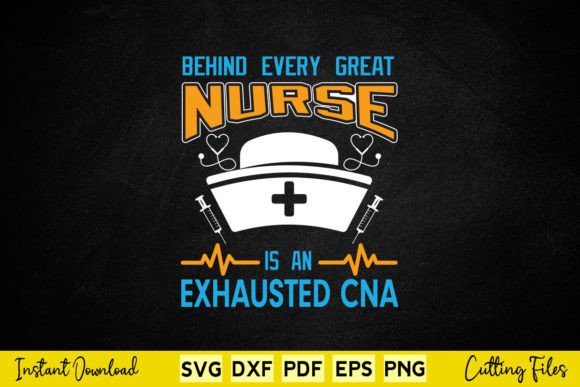
As a designer who spends more time staring at stitch charts than sleeping, I approach every new digital asset with a mix of curiosity and skepticism. The market is flooded with generic quotes and clipart-style graphics, so finding something that balances humor, readability, and embroidery feasibility is rare. Recently, I pulled the Behind Every Great Nurse Is An Exhausted CNA Svg T shirt Design from the Crafts and Graphics categories to see if it holds up under the needle. This review isn’t just about whether it looks good on a screen; it’s about how it performs in real-world production for small business owners, Etsy sellers, and handmade crafters.
The First Impression: Mood and Visual Personality
When you first load this design into your digitizing software or preview it as a mockup, the immediate takeaway is relatability. The phrase "Behind Every Great Nurse is an Exhausted" taps directly into the emotional reality of healthcare workers. It’s not just a medical quote; it’s a badge of honor for those who work long shifts, manage high stress, and keep going anyway. From a design perspective, this creates an instant connection with the target audience. If you are selling to nurses, CNAs, or their families, you aren’t just selling a shirt; you are selling recognition.
The layout feels balanced, likely utilizing a combination of text hierarchy and perhaps a subtle graphic element (though specific visual details depend on the exact file provided). For embroidery, the mood needs to translate through texture. A heavy fill stitch might make the exhaustion feel too heavy, while a clean satin stitch can give it a polished, professional look. This design seems positioned to walk that line—humorous enough for a gift, but respectful enough for professional apparel. It fits naturally into the world of custom apparel where personalization meets shared experience.
Real-World Application: Where This Design Shines
I put this embroidery file through its paces by imagining it on various products. Here is where I see the highest potential for sales and customer satisfaction:
- Custom Apparel and Sweatshirts: This is the most obvious use case. A crewneck sweatshirt embroidered with this design is a staple for nurse appreciation week, retirement parties, or just everyday comfort. The durability of embroidery makes it superior to vinyl for frequent washing, which is crucial for scrubs and workwear.
- Tote Bag Designs: Canvas totes are huge right now. Embroidering this onto a sturdy canvas tote bag adds a tactile quality that prints lack. It turns a simple bag into a statement piece that a nurse can carry to work, signaling their profession with pride and humor.
- Personalized Gifts and Holiday Embroidery: During the holidays, people struggle with what to buy for the healthcare worker in their life. This design offers a ready-made solution. It works beautifully on baby onesies for "future nurses," aprons for the home kitchen, or pillow covers for a break room. It’s a versatile handmade product that feels thoughtful rather than generic.
- Embroidered Patches: Converting this into a patch format allows for application on caps, hats, or uniform jackets. This expands the utility of the design assets beyond just flat garments.
Technical Considerations and Stitch Analysis
Before running any design, I always check the technical specs. While the product description highlights it as a digital download suitable for printing on mugs, stickers, and hoodies, we must remember that our primary focus here is embroidery. When converting or using SVG files for machine embroidery, several factors come into play:
- Stitch Density and Hoop Size: You need to ensure the text size fits within standard hoop sizes without requiring excessive trimming. Large blocks of text can become stiff and uncomfortable against the skin, especially on t-shirts. I recommend testing the design in a 4x4 inch hoop first to see if the spacing between letters remains legible.
- Thread Colors: Contrast is key. On dark fabrics like navy blue or black scrubs, light thread colors will pop, but you may need a cut-away stabilizer to prevent puckering. On white or light gray cotton, darker threads provide a sharper contrast. Always test your thread colors on the actual fabric type you plan to sell.
- Fabric Texture: This design performs best on smooth fabrics like cotton blends, fleece, or canvas. Avoid highly textured fabrics like bouclé or thick towels unless you have significant experience with stabilizers, as the needle penetration can be inconsistent.
Where to Be Careful
Not every surface is created equal. There are specific scenarios where this design might struggle:
- Small Hoop Sizes: If you attempt to embroider this on a tiny item like a baby hat or a small pocket, the text may become too small to read. Legibility is paramount for quote-based designs.
- Stretchy Fabrics: Jersey knits and spandex blends can distort the design if not stabilized properly. Use a tear-away or water-soluble stabilizer depending on the fabric weight.
- Curved Surfaces: Embroidering on the front of a baseball cap requires a curved hoop and careful tension adjustment. If the design has fine details, they may get lost in the curve.
- Dense Stitch Areas: If the design includes large solid fills, it can become heavy and reduce the breathability of the garment. For summer wear, consider reducing the density or using a lighter stitch pattern.
Impact on Brand Consistency and Customer Trust
For Etsy sellers and small shop owners, consistency is everything. Using a high-quality, well-balanced design like Behind Every Great Nurse Is an Exhausted helps build trust. Customers can often tell the difference between a rushed, pixelated print and a crisp, professionally stitched embroidery. When a buyer receives a hoodie with clean satin stitches and no loose threads, they perceive higher value. This leads to better reviews, repeat customers, and word-of-mouth referrals.
Furthermore, the humor in the design encourages social sharing. People love to show off their "exhausted" status on social media. If your finished product looks professional, customers are more likely to tag your shop in their photos, providing free marketing for your craft business.
Practical Designer Notes Before You Start
Before you rush to produce these items for your boutique branding or holiday inventory, follow these steps:
- Test on Scrap Fabric: Never run a full production batch without a test run. Check for thread breaks, tension issues, and color accuracy.
- Review Stitch Density: Ensure the design isn’t too dense for the intended fabric. Too much stitching can cause the fabric to pucker or become rigid.
- Inspect Small Details: Zoom in on the digitized file. Are there any tiny elements that might get lost or tangled? Simplify if necessary.
- Confirm Licensing: Since this is a digital product, verify the commercial use rights. Can you sell the finished physical goods? Can you use it in digital mockups? Clarifying this protects your business from legal issues.
- Create Printable Mockups: Even before you stitch, create high-quality mockups to list your Etsy listings. Show the design on different backgrounds and garments to help buyers visualize the final product.
Final Verdict
The Behind Every Great Nurse Is an Exhausted design is a strong contender for anyone in the commercial embroidery space. It hits the sweet spot of humor, relatability, and versatility. Whether you are making a personalized gift for a friend or building a line of small shop products for nurses, this design has the potential to resonate deeply with your audience. Just remember to respect the technical limitations of embroidery, choose your materials wisely, and always prioritize quality control. When done right, this isn’t just a design; it’s a conversation starter that celebrates the hard work of healthcare heroes.